Ice Baths Brisbane

Ice, Ice, Brisbane

Nothing wakes you up faster than an ice bath. When you have an ice bath, you expose your body to ice-cold water, which has multiple benefits. Our bodies get an initial shock from extremely cold exposure, leading them to attempt to rewarm themselves. As this process happens, it’ll improve your blood flow, reduce muscle soreness and inflammation and improve your mental resilience.

From$35
for 25 mins total

Benefits of Ice Baths Brisbane

Deliberate cold exposure is one way to activate hormesis, an advantageous biological reaction to a mildly stressful stimulus whereby a range of adaptive bodily responses are activated. These responses have been found to contribute to reduced inflammation, improved immune function, enhanced athletic performance, and quicker muscle recovery.

Cold water therapy can stimulate your body’s immune system, some evidence suggests. This means it could potentially improve your body’s capability to fight pathogens.

Research has been done that tested whether people could improve the antibodies in their bodies by regularly practising cryotherapy, breath work, and meditation.

Subjects were infected with a bacterial infection, and the focus group that implemented these methods showed fewer symptoms. They produced more antibodies and fewer cytokines reacting to the bacteria.

In this study, it was felt that the breath work techniques were much more impactful than the ice bath at reducing cold and flu symptoms. They did, however, attribute cold water to developing resistance to stress over an extended period.

The lymphatic system is a network of tiny vessels that run throughout the whole body. It takes away unwanted toxins from cells; simply put, it is always processing toxins and cleansing your system.

The way it all works requires muscles to contract, which pumps fluid through the vessels since it doesn’t have a dedicated pump like the cardiovascular system. If your lymphatic system is congested with toxins, it can become slow and ineffective, and toxins can build up.

When it comes to an ice bath, the cold temperatures cause your lymph vessels to contract, engaging the lymphatic system to flush the lymph fluids back into your system through the lymph nodes. This wakes up the white blood cell brigade, also known as your immune system, which then attacks any unwanted foreign bodies in the fluid.

Cold water therapy is a form of recovery that has been shown to minimize inflammation, as well as ease what’s known as DOMS (delayed onset muscle soreness) all by improving blood circulation and tightening your blood vessels.

Blood sugar levels can be lowered after half an hour of cold exposure. However, people with diabetes should seek advice before trying ice bath therapy.

Cold water body immersion can have profound effects on stress levels. This is thanks to the stimulation of noradrenaline which, as mentioned earlier, plays a big role in mood regulation.

Many doctors and physicians will agree that cold temperature helps to relieve swelling and inflammation.

Think of an ice pack on a sprained ankle; it does this by constricting blood vessels, reducing swelling and buffering the nervous system by minimizing pain. This makes cold water body immersion an obvious treatment when treating an injured athlete or aiding in recovery.

Try one of our Ice Bath protocols

We have combined Ice Bath with other equipment into specialized health protocols

Our Locations

How does our ice bath in Brisbane work?

Taking a cold plunge shocks your nervous system, which then sends your body into survival mode. To reserve core body temperature, your blood vessels will constrict and send more blood to your organs, which reduces blood flow in areas with inflammation and swelling. When you get out of the bath, your body will restore its temperature by sending blood to the rest, improving oxygen and nutrient transportation, providing energy to muscles and relieving stress.

Book your ice bath in Brisbane today

Ready to refresh and revitalise your body? Book an ice bath in Brisbane today!

Ice Baths Brisbane FAQs

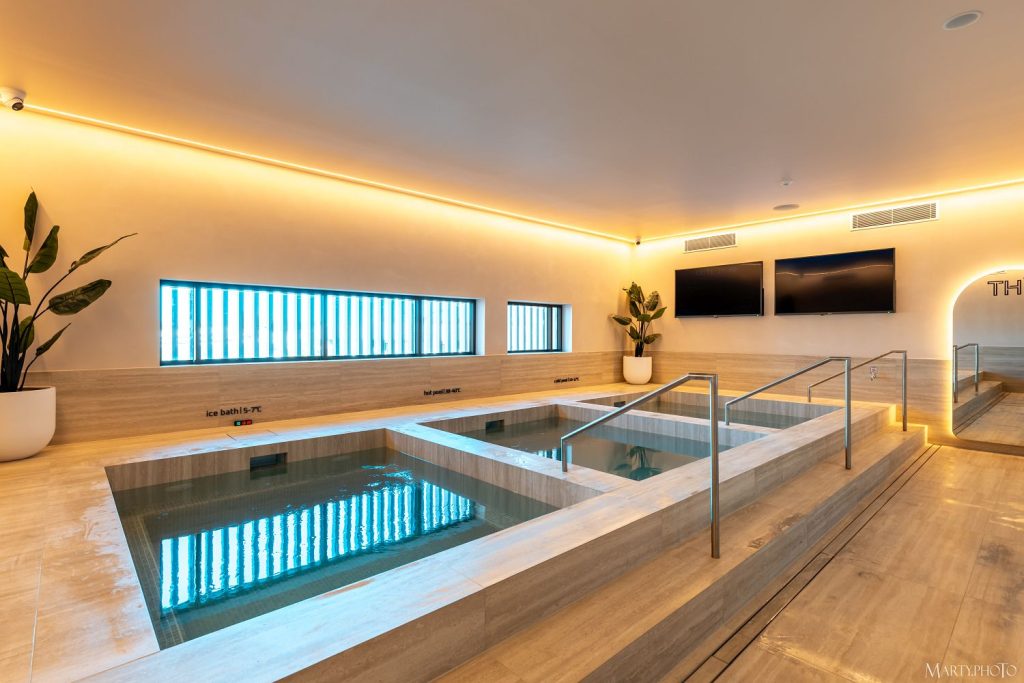
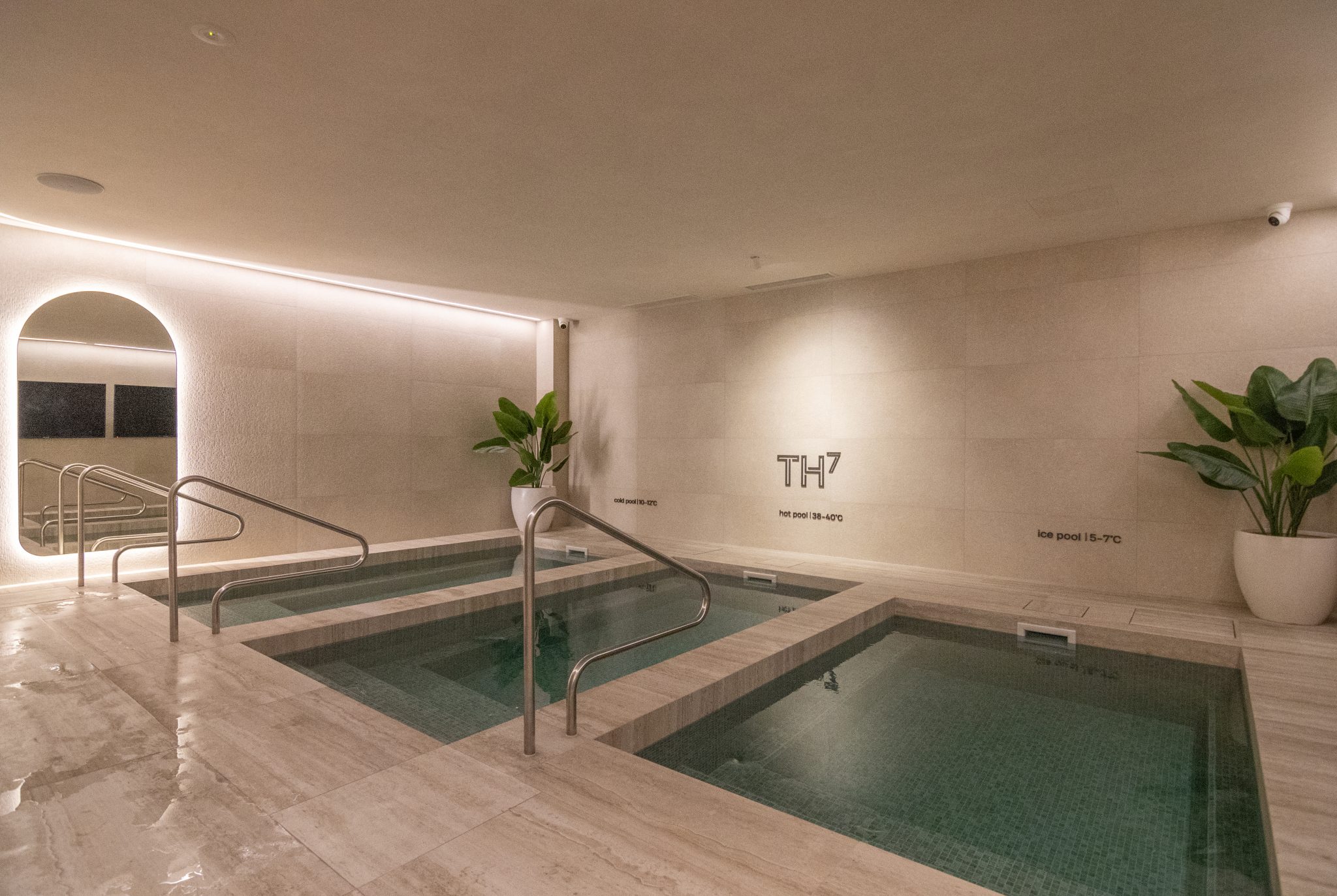
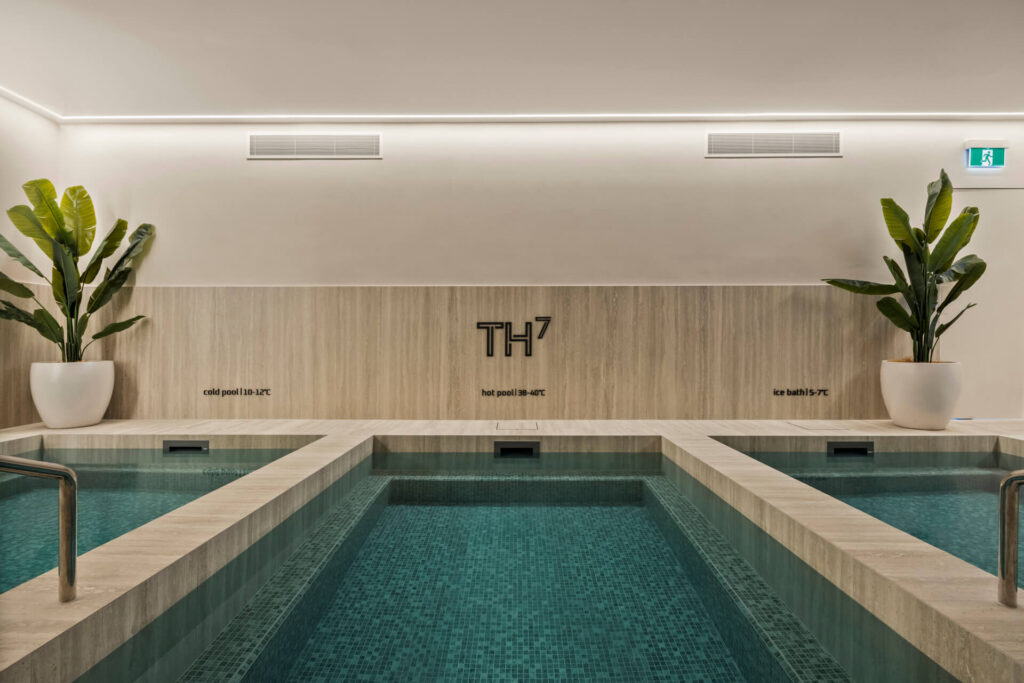
TH7 offers state-of-the-art ice baths from several of our Brisbane wellness centres, which you can find in Mount Gravatt, West End, Cleveland, and Yeerongpilly.

We currently have four facilities to find ice baths around Brisbane, including:

  • 1437 Logan Rd, Mount Gravatt, QLD 4122
  • 196 Montague Rd, West End, QLD 4101
  • 4-10 Doig Street, Cleveland, QLD 4163
  • 26 Queens Way, Yeerongpilly, QLD 4105

At our wellness studios, we offer single-use ice baths, which can be booked either individually or as part of our therapy protocols.

You can book an ice bath session with TH7 either by calling one of our wellness studios or using our efficient booking system on our website.

All you need to do is click ‘Book Now‘ to see our available sessions in your chosen Brisbane location. We offer several protocols that utilise ice baths, so choose between these and a singular session. Next, choose your preferred time and date, and check out to receive instant confirmation of your appointment. Simple as that!

An ice bath helps reduce inflammation, relieve muscle soreness, and speed up recovery by exposing the body to extremely cold temperatures. This works by constricting the blood vessels, lowering the body’s tissue temperature, and triggering a range of physiological responses that promote healing from within.

Despite it often being quite a short treatment, there’s plenty that happens to the body during the cold plunge. This includes:

  • Vasoconstriction: Cold water causes blood vessels to constrict, reducing blood flow to the muscles and joints, decreasing swelling and inflammation.
  • Reducing muscle soreness: Icy water helps minimise delayed-onset muscle soreness (DOMS) after a bout of intense exercise.
  • Flushing out metabolic waste: When you warm up after cold exposure, your blood vessels dilate and increase circulation, helping to flush the body of waste such as lactic acid.
  • Mental reset: Plenty of clients find that ice baths give them a mental boost, reset, and clarity, and this is because the cold water activates the sympathetic nervous system. It releases endorphins, often leading to a post-cold ‘high’.
  • Improved resiliency: Regular ice baths may help improve stress tolerance and support your immune function over time.

Ice baths offer many benefits, including faster muscle recovery, reduced inflammation, improved circulation, and better mental resilience. Athletes and wellness enthusiasts often use them for both physical and psychological recovery.

Key benefits of ice baths include:

  • Reduces muscle soreness and inflammation: Ice baths can decrease delayed-onset muscle soreness (DOMS) by lowering tissue temperature and reducing blood flow to the inflamed areas within the body.
  • Speeds up recovery: Cold water exposure flushes out metabolic waste, such as lactic acid, and brings oxygen-rich blood back to muscles once you start warming up again.
  • Boosts mental clarity and focus: Cold exposure activates the sympathetic nervous system and releases norepinephrine, which can lead to better alertness and an improved mood.
  • Enhances stress tolerance: Regular cold exposure can build mental resilience and improve your body’s ability to handle stress, which is ideal for busy professionals in high-pressure roles.
  • May improve sleep quality: Some clients report achieving deeper sleep after ice bath sessions, likely due to reduced inflammation and nervous system reset.
  • Supports immune function: More evidence is now coming out to suggest that consistent cold therapy may strengthen immune response over time.

Yes, ice baths are generally considered safe when done correctly and for the right duration. Most healthy individuals can tolerate them well, but it’s important to follow proper guidelines to avoid putting yourself at risk.

Your chosen wellness centre should give you a number of safe-use guidelines for your ice bath session, which may include the correct temperature, duration, and how to acclimate and warm up.

While ice baths are considered safe for most people, certain individuals should practice caution before booking a session. People with cardiovascular conditions, Raynaud’s syndrome or nerve sensitivity, or cold-induced asthma or fainting should talk to their healthcare professional beforehand. Pregnant women should also not use ice baths.

Ice baths are designed to be used for only 5 to 15 minutes at a time, depending on your experience level and recovery goals. Shorter sessions are often just as effective as longer sessions, because it’s often the initial shock response that does your body the most good.

Beginners are advised to start with only 2 to 5 minutes at 10 to 15 degrees C, working their way up to longer sessions in the water. Experienced users can often stay in their ice bath for between 15 and 20 minutes, although any longer than this may increase the risk of numbness, cold shock, and hypothermia.

For optimal results, an ice bath should be between 10 and 15 degrees for safe and effective recovery. This temperature range is cold enough to trigger benefits like reduced inflammation and muscle soreness without putting your body at risk.

The ideal range for beginners is around 15 degrees C, but advanced users can drop as low as 8 degrees C. Water below 7 degrees C increases the risk of cold shock, nerve damage, and hypothermia.

An ice bath might support weight loss indirectly, but it doesn’t cause significant fat loss on its own. Cold exposure can slightly increase calorie burn and may improve metabolic health, but it’s not a substitute for diet and exercise.

Here’s how regular ice baths may be able to help manage weight loss:

  • Increasing your calorie burn: Cold exposure activates brown fat, which burns calories to generate heat. This can burn around 100 to 300 calories per ice bath session, depending on how long you’re in there for.
  • Boosting metabolism temporarily: Core body temperature drops and triggers thermogenesis, which can slightly raise your metabolism post-session.
  • Reducing inflammation and speeding up recovery: The ice bath helps you recover from a workout quicker, supporting consistent training as you won’t be out for several days after each intense exercise session.
  • Improving insulin sensitivity: Some studies suggest that cold therapy might be able to regulate blood sugar and insulin, which are two vital things for weight management.

So, while ice baths won’t melt fat directly or replace the need for a calorie-controlled diet or regular exercise, they might be able to aid your weight loss journey indirectly.

While the number of ice baths recommended depends on each individual, it’s generally considered safe to have 2 to 4 cold plunges a week.

The optimal number of ice baths per week depends on how intense your training is, your experience with cold exposure, and whether you’re using it for physical or mental benefits.

For example:

  • Using it for general recovery and wellness often requires 2 to 3 sessions per week.
  • High-performance athletes may need 3 to 4 sessions a week, especially during intense training or competition phases.
  • Hoping for mental resilience and mood benefits may require 3 to 5 weekly sessions.
  • Beginners should start with 1 to 2 sessions per week, increasing as tolerance builds.

While some people swear by daily ice baths, many professionals advise against this to avoid blunting your strength and muscle gains. You should always allow your body time to adapt and recover between sessions.

Yes, an ice bath can be highly effective at reducing inflammation. Exposing your body to cold water promotes the constriction of blood vessels, slows down the cellular activity, and reduces swelling in muscles and joints after intense bouts of exercise or injury.

Ice baths are a proven method of controlling inflammation – they’re one of the most popular treatment methods for good reason. They’re a valuable tool for athletes, people with chronic pain, or anyone experiencing post-workout soreness. You can combine ice baths with other therapies to maximise anti-inflammatory effects, such as infrared saunas (contrast therapy), red light therapy, and compression therapy.

It’s not recommended to take cold plunges while pregnant without specific medical approval. It may pose a risk to both mother and baby, especially if your core body temperature drops too low.

There hasn’t been enough research on ice baths and pregnancy to determine whether it’s safe or not, and in these cases, medical professionals generally recommend avoiding therapies like this to err on the side of caution.

Things like a drop in core temperature, circulatory changes, and the risk of cold shock can increase stress on the heart and nervous system, which isn’t good for you or your baby. There may be certain possible exceptions, so talk to your doctor if you’re pregnant and think ice baths will be positive for you.

Yes, an ice bath after a workout can be an effective way of reducing muscle soreness and inflammation and speeding up recovery. It’s particularly useful after high-intensity or endurance training sessions.

Some of the reasons why ice baths are good after a workout are:

  • Reduced muscle soreness (DOMS): Cold exposure helps limit micro-tears and swelling that cause delayed-onset muscle soreness.
  • Decreases inflammation: Ice baths constrict blood vessels and slow down cellular activity, which helps control the body’s inflammatory response.
  • Supports faster recovery: Makes it easier to return to training sooner with less muscle fatigue and joint stiffness.

However, if your goal is to grow your lean muscle and gain weight, avoid jumping into an ice bath immediately after resistance training, as it may blunt some of the adaptive responses. Instead, wait a few hours or use ice baths on rest days.

While cold showers offer some benefits, they’re not as effective as ice baths for deep recovery and inflammation reduction. They can still be great for mental resilience and mild circulation boosts, but ice baths provide a stronger, more targeted physiological response.

Cold showers don’t match the intensity or recovery benefits that ice baths offer. You can use them for a mild introduction into ice baths or for a daily mental reset, but for strong recovery impact and inflammation control, an ice bath is the best practice.

Many people find that ice baths can relieve symptoms of anxiety and depression through triggering positive changes in their brain chemistry and regulating their nervous system.

While an ice bath isn’t a standalone treatment for anxiety and depression, it can support your mental health as part of a broader wellness routine. They can boost mood-regulating neurotransmitters to release endorphins, norepinephrine, dopamine, and more.

Ice baths have also been linked to improving sleep and energy levels, both of which have a huge impact on mental health.

Some people experience a sense of euphoria after completing an ice bath session, which builds their mental resilience by training the brain to remain calm under pressure. Not only can this reduce immediate symptoms of anxiety and depression, but it can also be useful for managing negative thoughts.

View our evidence-based protocols

We use the most up to date research to match protocols with health outcomes.