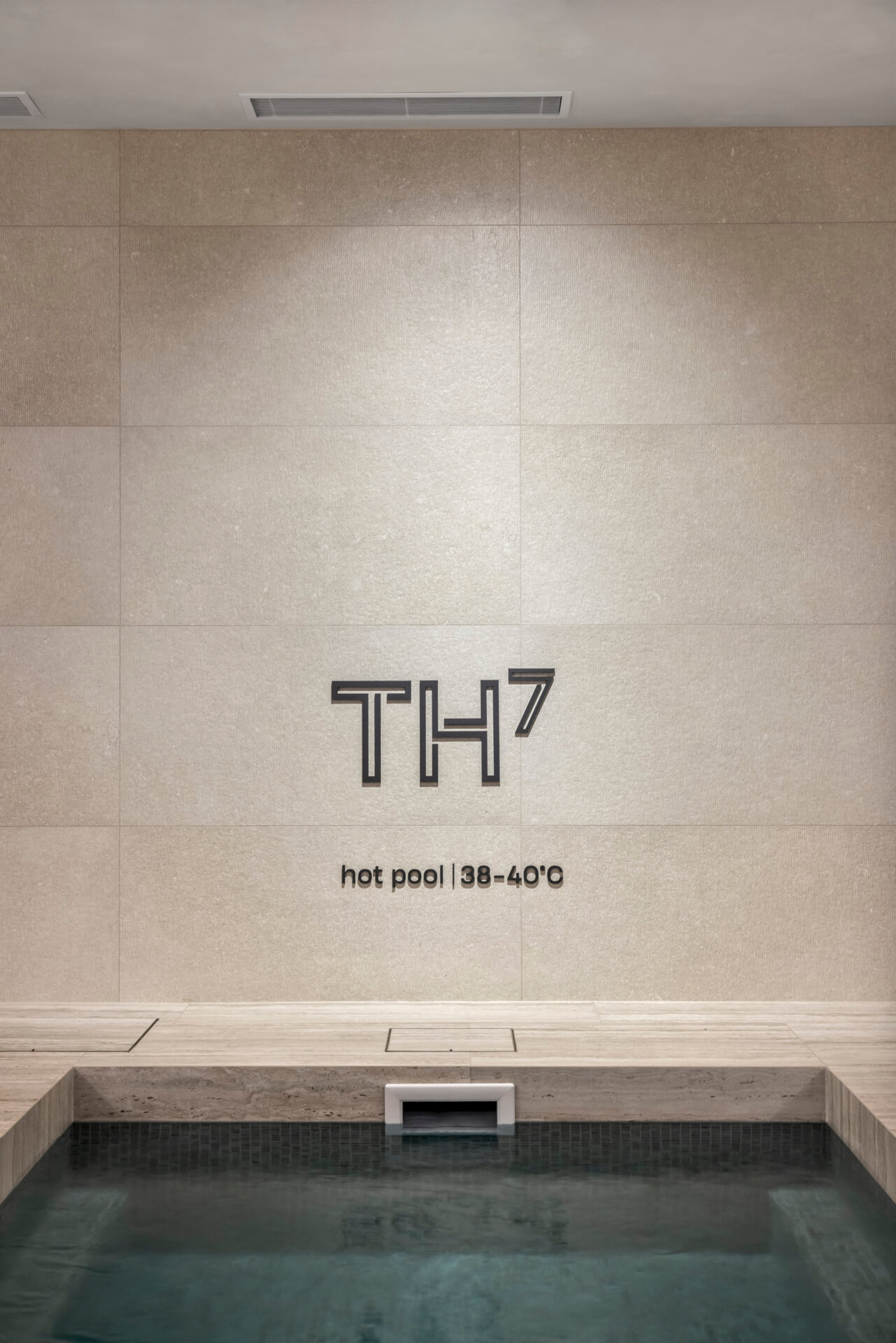
After a metabolism boost or need to de-stress?

20 min
10 min
20 min
Level 1
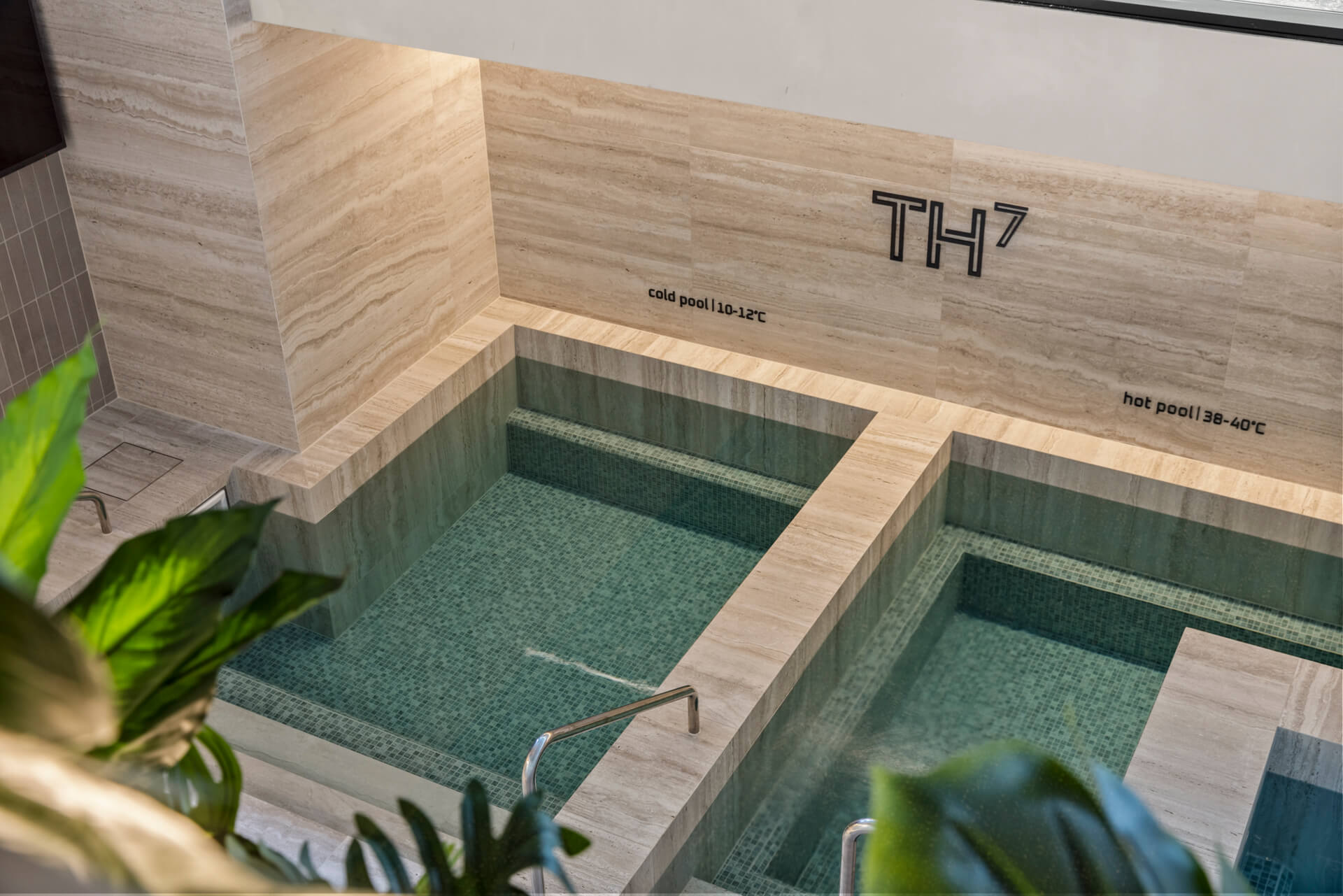
The perfect combination of hot and cold therapies working together to leave you feeling your best
After a metabolism boost or need to de-stress?
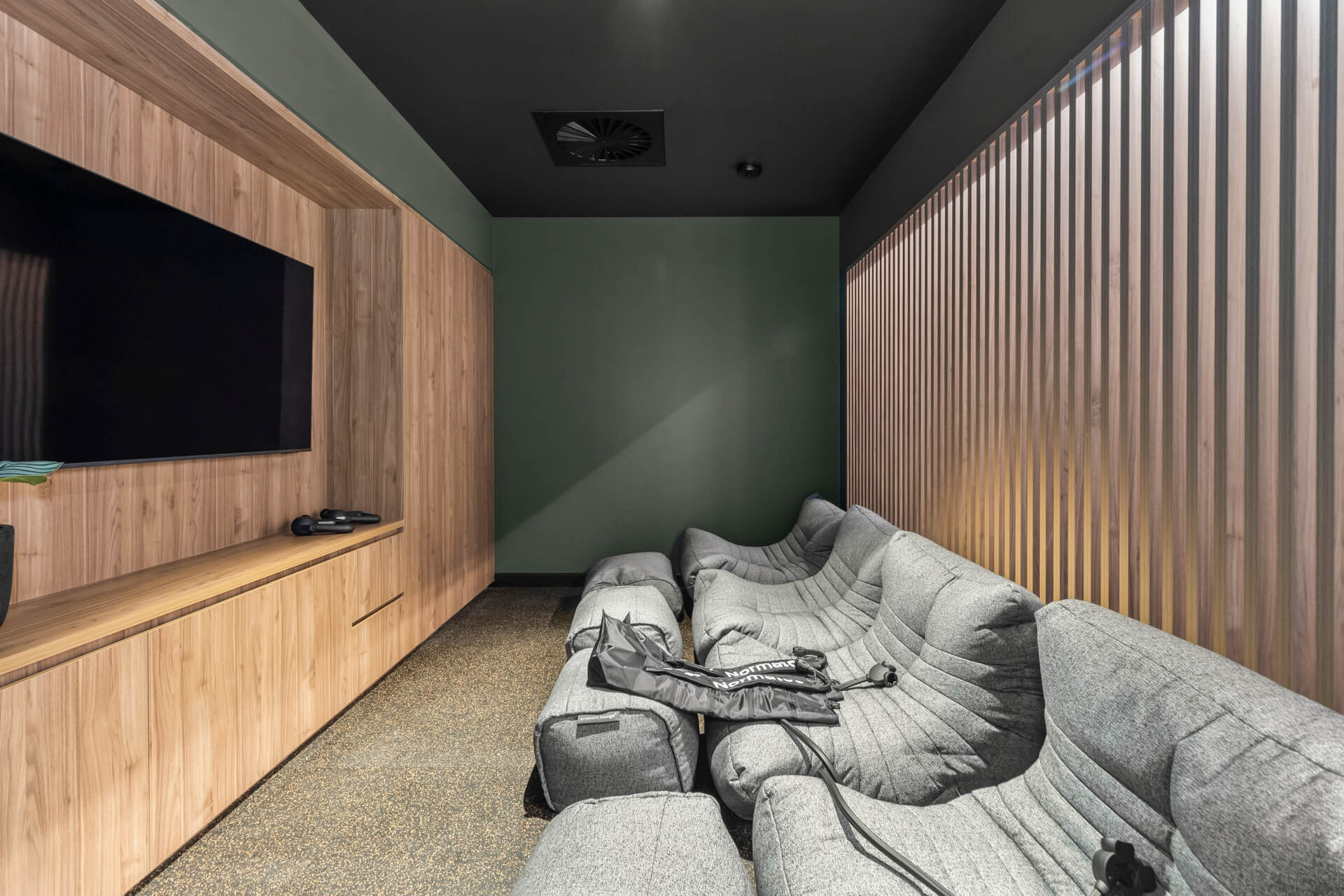
The ideal mix of equipment for quick and efficient recovery.

Elevate recovery with a revitalising blend of hot and cold therapies for peak well-being.

Boost circulation and mobility with a unique mix of hot and cold therapies.

Enhance circulation and mobility with a unique hot and cold therapy blend.

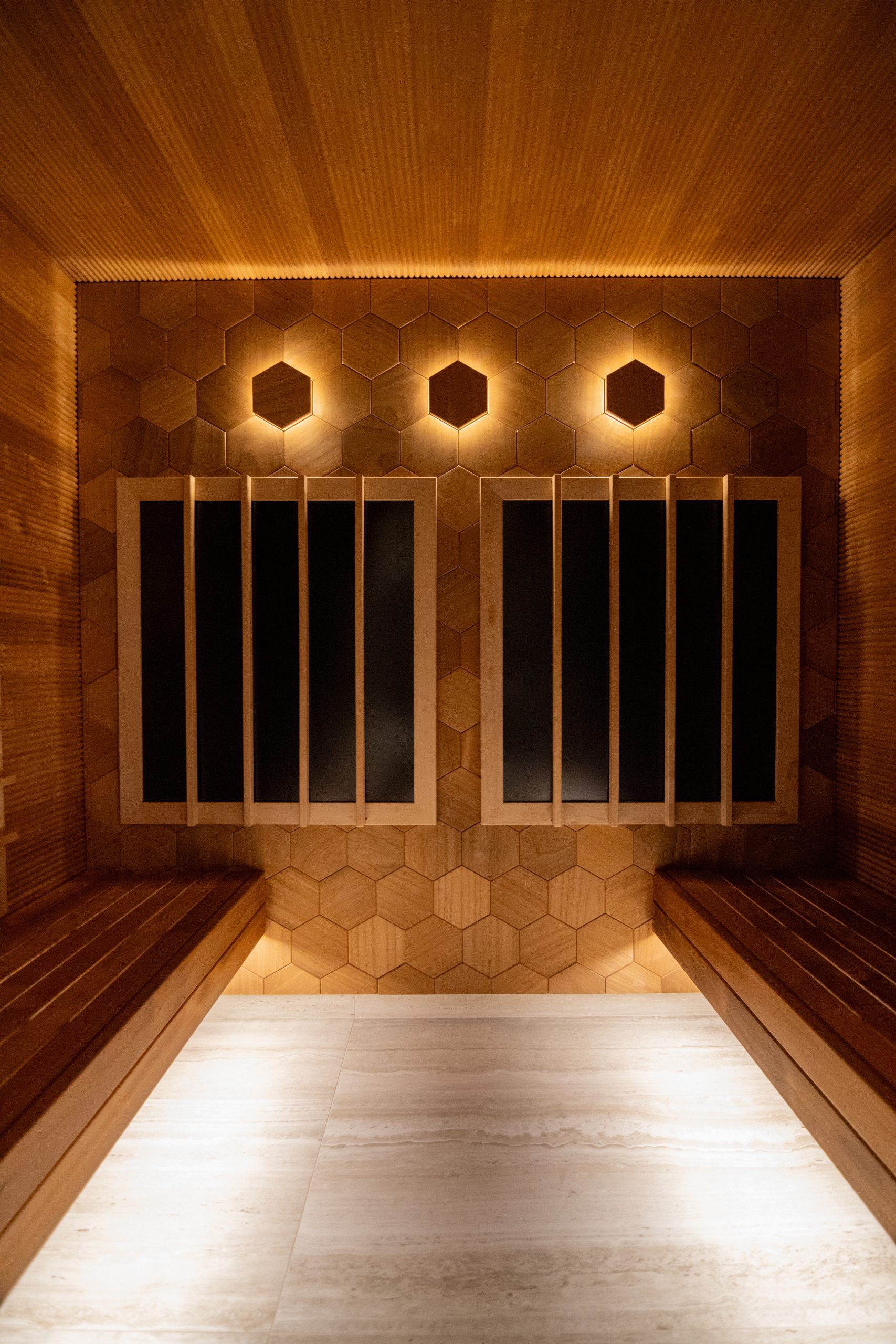
Our theralight360 harnesses the power of Photobiomodulation Therapy (PBMT), a well established means to make use of the healing power of light at precisely calibrated and adjustable wavelengths that penetrate at the cellular level. Specifically, both red and near infrared light is used to activate the mitochondria whereby ATP production is enhanced, providing a significant boost of energy to our cells and ultimately benefitting our entire body.
Targeting activation of mitochondria through specific wavelengths of light enhances the production of ATP, in turn optimising cellular energy, reducing the detrimental effects of oxidative stress and and improving overall well-being.
Red light therapy uses RED and near-infrared light (600-1,100nm). In typical “light bed” applications, these light wavelengths are non-thermal (little to no heat). Applied properly with the correct wavelengths, light specifically targets cells. Stressed cells deprived of oxygen are competing with free radicals to utilize oxygen to produce energy known as ATP (adenosine triphosphate).
Using red and near infrared wavelengths of light resulting in increased circulation and cellular energy production.
Minimising the damaging effects caused by oxidative stress which contributes to acute and chronic pain and accelerates the aging process.
With an increased rate and quality of tissue repair, Red Light improves muscle performance, enhances recovery and reduces pain.
Trusted by athletes and amateurs alike, the TheraLight FIT is designed to benefit anyone committed to taking their personal fitness to the next level.
Red light therapy, also known clinically as “photobiomodulation,” is very different than far-infrared saunas. Saunas use invisible far infrared waves to penetrate the body to activate sweat glands using heat. These waves are extremely warming, unlike Photobiomodulation. Far-infrared applications (such as a sauna) vibrate the water molecules in your body. This vibration weakens the ion bonds until the water breaks down into encapsulated gasses and toxic materials to be excreted. This assists the body’s ability to detoxify.
Red light therapy uses RED and near-infrared light (600-1,100nm). In typical “light bed” applications, these light wavelengths are non-thermal (little to no heat). Applied properly with the correct wavelengths, light specifically targets cells. Stressed cells deprived of oxygen are competing with free radicals to utilize oxygen to produce energy known as ATP (adenosine triphosphate). Light (or photons), hit the cell and are absorbed. This absorption disassociates the free radical (Mitochondrial nitric oxide – mNo) from the cell to allow oxygen to take its rightful place and resume optimal energy production (ATP) in the Electron Transport Chain.
If you’re intrigued by the benefits of Red Light therapy, book your session today for maximum convenience. Easily manage your appointments online.
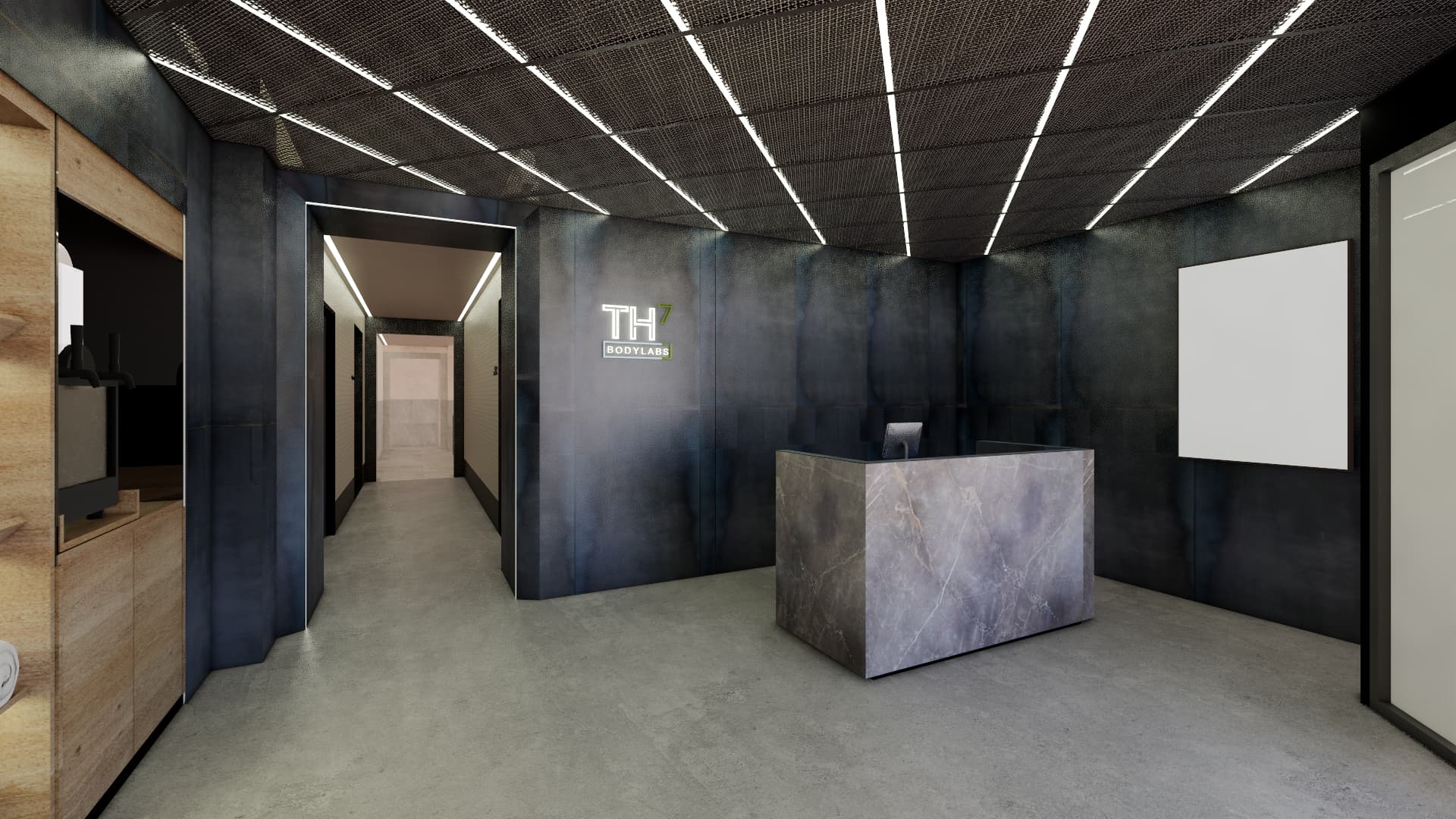
You can enjoy a red light therapy session at any of TH7 Bodylabs’ Brisbane locations, including Mount Gravatt, West End, Cleveland, and Yeerongpilly.
Our facilities are located all around Brisbane, including:
At our wellness studios, we offer full-body, medical-grade red and near-infrared light treatments. Our TheraLight beds are state-of-the-art and can be booked either on their own or as part of one of our therapy protocols.
Our website offers seamless scheduling for red light therapy sessions at one of TH7’s Brisbane locations.
When booking online, select the location you want to visit, choose between a simple red light therapy session or a bundled protocol, and find a time and date to suit you best. Check out for instant confirmation of your appointment.
A single red light therapy session at TH7 in Brisbane costs $49 AUD. You can also choose a combined protocol that includes red light therapy as well as other beneficial treatments, including Afterburn and Detox, for between $59 and $119.
Red light therapy is a non-invasive treatment that uses low-level red and near-infrared light to support healing, reduce inflammation, and boost cellular function. It’s often used for recovery, skin health, pain relief, and general wellness.
There are several things people use red light therapy for, including:
Red light therapy uses safe, therapeutic wavelengths of light to energise cells, promote recovery, reduce pain, and improve overall wellness. For maximum benefit, red light therapy beds can be used in just 20 to 30-minute sessions.
Red light therapy works by delivering red and near-infrared light into your cells to boost energy production, reduce inflammation, and support your body’s way of naturally healing itself.
Red light therapy penetrates the skin so that red and near-infrared light is absorbed by your cells. This stimulates the production of ATP (adenosine triphosphate), the cell’s energy source. In turn, this helps repair cells so they can function more efficiently. At the same time, red light therapy also reduces inflammation and oxidative stress to calm your body’s inflammatory response.
Red light therapy offers benefits like faster recovery, reduced inflammation, improved skin health, pain relief, and increased energy at the cellular level. It’s often used for wellness, athletic recovery and performance, and cosmetic treatments.
Here are some of the key benefits of red light therapy:
Yes, red light therapy is generally considered safe when it’s used properly. It’s non-invasive, painless, and doesn’t use UV radiation or high temperatures that could cause damage.
Red light therapy has quickly shot to one of the top spots of most popular health therapies, so there have been thousands of studies deeming it safe and effective for a wide range of uses, from skin health to muscle recovery.
To keep yourself safe during red light therapy treatments, follow the safety protocols your chosen wellness centre has in place. These may include treatment times and heat settings, eye protection, and talking to your doctor beforehand.
Yes, red light therapy has been shown to reduce pain and inflammation associated with osteoarthritis. It supports joint function by improving circulation, reducing oxidative stress, and stimulating cellular repair in affected tissues.
Red light therapy can help osteoarthritis by reducing joint pain and stiffness, decreasing inflammation, improving mobility, and supporting cartilage repair.
Yes, red light therapy may be able to help with bruising because it can accelerate healing and reduce inflammation. It does this by enhancing blood flow, promoting tissue repair, and minimising swelling in the affected area.
There are several ways red light therapy can help with bruises, including:
For the best results, red light therapy should be utilised within 24 – 48 hours. Even a 10 – 20 minute session can make the difference with bruising.
Yes, red light therapy can help reduce the appearance of dark spots over time. The therapy supports skin regeneration and helps fade hyperpigmentation by promoting healthier, more even-toned skin.
Red light therapy can lighten dark spots and leave a more even skin tone by boosting cell turnover, increasing collagen production, reducing inflammation, and improving circulation.
This works best for:
It’s important to remember that results can take time, so you might not see results straight away. The best outcomes often also occur when combined with skincare, such as vitamin C and SPF.
Red light therapy results can begin to appear within a few sessions, but most benefits develop over two to eight weeks of consistent use. The time it takes to see results depends on what condition is being treated and how regularly you expose yourself to it.
For example:
Red light therapy starts working quickly at the cellular level, but visible results – especially for skin or chronic issues – take a few weeks. Consistency is key for long-term benefits!
For best results, red light therapy should be completed between 3 and 5 times per week initially, then 2 and 3 times a week for maintaining results. The optimal frequency depends on your goals, the heat and device settings you’re using, and how you respond to the light personally.
Here are the recommended frequencies depending on your goals:
Yes, red light therapy, especially near-infrared light, may help reduce symptoms of depression and seasonal affective disorder (SAD). It works by supporting brain function, improving sleep, and regulating mood-related hormones.
Here’s how red light therapy may be able to help with depression symptoms:
Red light therapy has shown promising results as a safe, non-invasive option to support mood and mental wellbeing – especially when combined with other treatments like therapy, exercise, and good sleep habits. However, it’s important to speak to a healthcare professional before starting a new therapy when dealing with depression.
While red light therapy is generally considered safe, there are a few temporary side effects that may occur during your first few treatments. Side effects are also more likely if you overuse the therapy or use it incorrectly.
Possible risks of red light therapy include:
While the benefits of red light therapy are paramount, certain people shouldn’t use it, or use it with caution. This includes pregnant people, people with light-sensitive conditions (lupus or epilepsy), anyone on photosensitising medications, and people with a history of skin cancer.
Red light therapy is generally considered low-risk, but many healthcare professionals say to avoid it during pregnancy out of caution. There isn’t enough clinical research yet to confirm its safety specifically for pregnant individuals, so it’s best to steer clear until after the baby has been born.
No known harm has been documented, especially with localised or low-intensity use. That said, clinical trials on pregnant populations are limited, so most experts and clinics recommend caution – especially with exposing the stomach and lower back to the red light.
If you’re considering using red light therapy while pregnant, it’s essential that you consult your healthcare provider beforehand to get their opinion.
We use the most up to date research to match protocols with health outcomes.


Please complete the form below and our team will get back to you within 24 hours
Please complete the form below and our team will get back to you within 24 hours
Please complete the form below and our team will get back to you within 24 hours
Please complete the form below and our team will get back to you within 24 hours
Enjoy a complimentary compression boots add-on on your next visit.