After a metabolism boost or need to de-stress?

20 min
10 min
20 min
Level 1
The perfect combination of hot and cold therapies working together to leave you feeling your best
After a metabolism boost or need to de-stress?
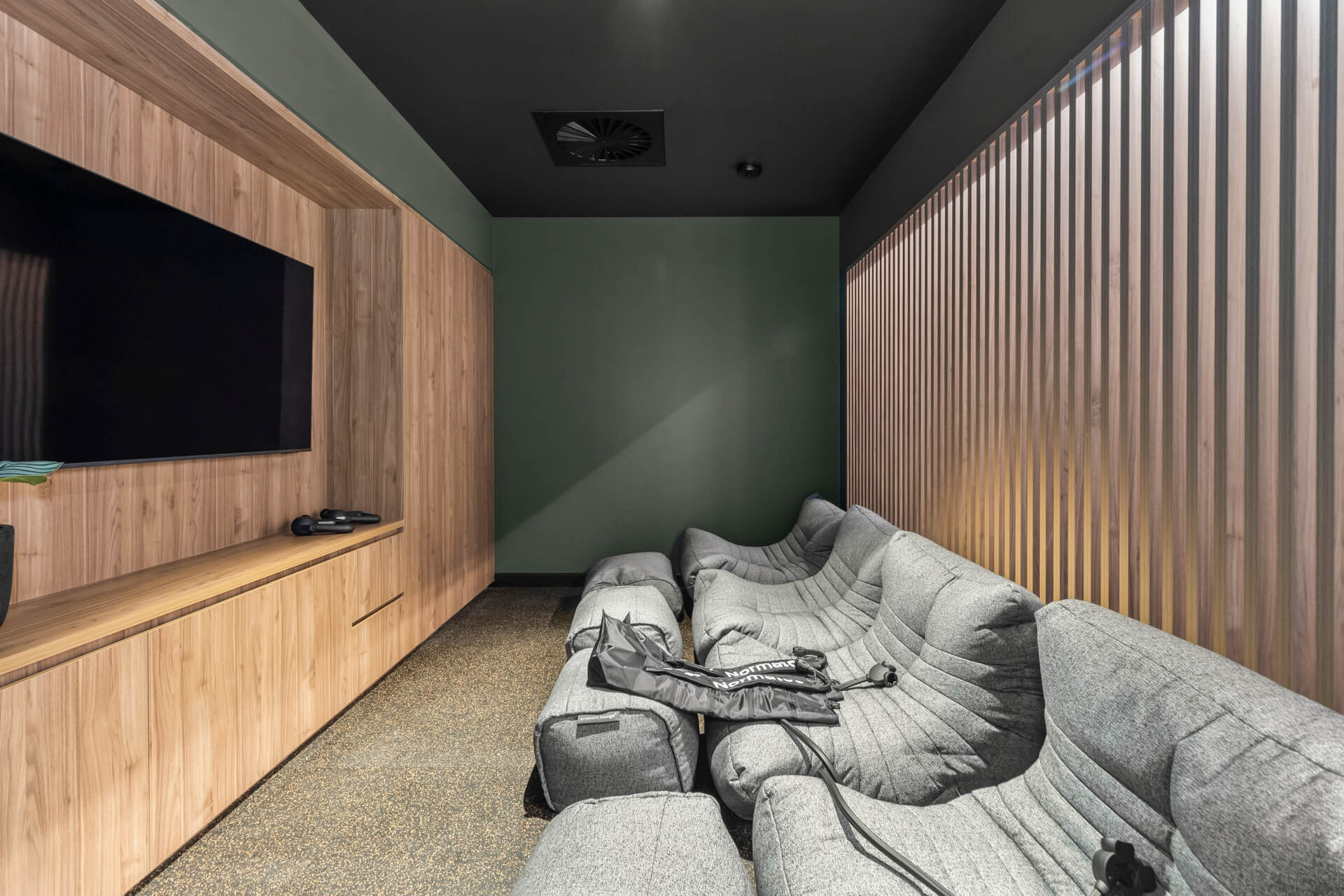
The ideal mix of equipment for quick and efficient recovery.

Elevate recovery with a revitalising blend of hot and cold therapies for peak well-being.

Boost circulation and mobility with a unique mix of hot and cold therapies.

Enhance circulation and mobility with a unique hot and cold therapy blend.
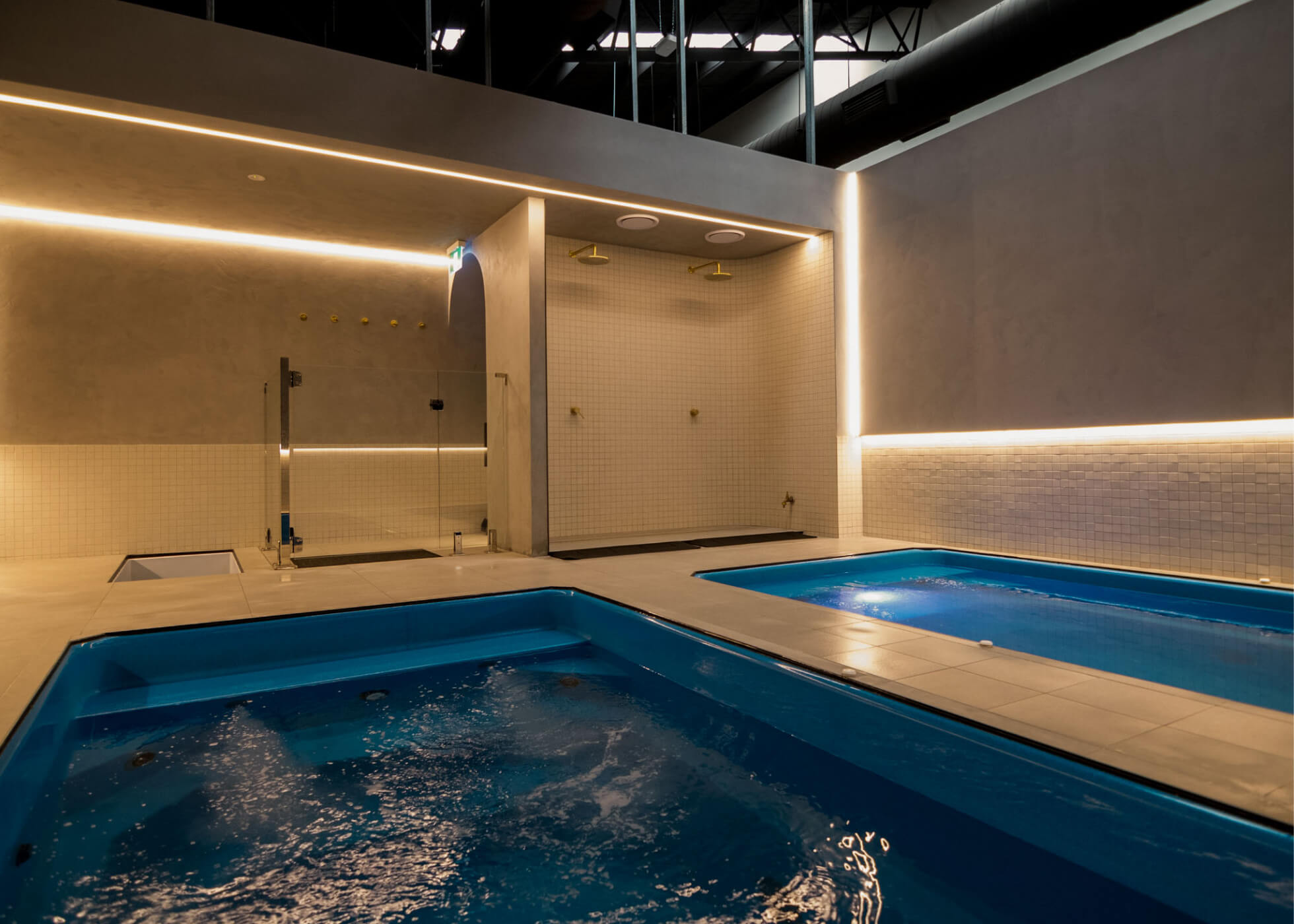
Contrast therapy combines the health benefits of exposing yourself to hot and cold water one after the other. The radical change in temperature creates a pumping effect on our blood vessels, getting your blood to flow more efficiently. Other effects that are caused by doing contrast therapy include reduced stress, a stronger immune system, improvements to your cardio fitness, improved focus and last but not least, it’ll lift your mood.
The alternating cycles of hot and cold offered by a contrast therapy protocol create a pumping action in the blood and muscles (similar to that produced by a low-intensity workout), whereby oxygen and nutrients are better able to reach the tissues within the body. Combining both hot and cold water immersions has the benefits of reducing swelling and inflammation, improving energy and focus and encouraging relaxation and stress reduction
When exercising, lactic acid builds up in the body’s muscles, which can cause muscle soreness after strenuous exercise.
Coldwater immersion is seen to assist in alleviating exercise-induced muscle damage post-exercise. At the same time, contrast bath therapy as a whole can significantly aid with delayed onset muscle soreness (DOMS), which usually only occurs a day after training, and thus assist with the active recovery of the body.
Studies performed with endurance athletes showed that cold exposure reduced the regular inflammatory response, aided the anti-inflammatory response, and enhanced muscle recovery.
One of the strongest physiological responses to the cold is a huge increase in norepinephrine, which mediates mood, attention, and other cognitive capacities. Ice bath regulars report improved mental calmness and increased energy. In combination with heat therapy, this can have long-lasting positive effects on the nervous system.
The current evidence base suggests that the breathing techniques used during cold water immersions regulate the nervous system and can assist with gathering focus, and are highly beneficial when used again during stressful situations, to alleviate anxiety.
Regular cold training can reduce stress, help improve resilience, and rewire your brain to embrace uncomfortable situations. 57 minutes of heat combined with just 11 minutes cold per week is all you need.
Among the scientific evidence-based effects of this procedure is also an improvement of blood flow and blood pressure for people that suffer from cardiovascular disease.
The heat during the therapy can reduce muscle soreness and increase the range of motion by working toward eliminating inflammation in the joints as well as the soft tissue of the body.
Hot water temperature has been known for its relaxing effects on the body and mind. Therefore one of the key attributes of immersing yourself in hot water can be reduced sensation of pain due to less tension in the body.
Cold temperatures, however, are more related to reducing swelling and can therefore also assist in pain alleviation through reduction of swelling and thus an enhanced range of motion.
Exposing the entire body to extreme temperatures during contrast hydrotherapy is among the popular recovery interventions of elite athletes who are seeking a better recovery outcome post-exercise.
During a strenuous workout, metabolites builds up in your body, which is normal, but also the cause of your body feeling sore and fatigued. The pumping effect of your blood vessels caused by contrast bath therapy can increase the body’s ability to flush out metabolites and other toxins and even aid in muscle growth.
Cold exposure narrows blood vessels, reducing blood flow to injuries and relieving inflammation and pain. In contrast, heat exposure gradually warms the body, expanding blood vessels, improving blood flow, and promoting muscle relaxation.
Alternating between hot and cold, in contrast, therapy creates a pumping effect, similar to a light workout, enhancing oxygen and nutrient delivery to tissues. This therapy aims to reduce swelling and inflammation, boost energy and focus, and induce relaxation and stress reduction.
Ready to take your body to the next level? Try out a contrast therapy session in Brisbane today; you won’t regret it!
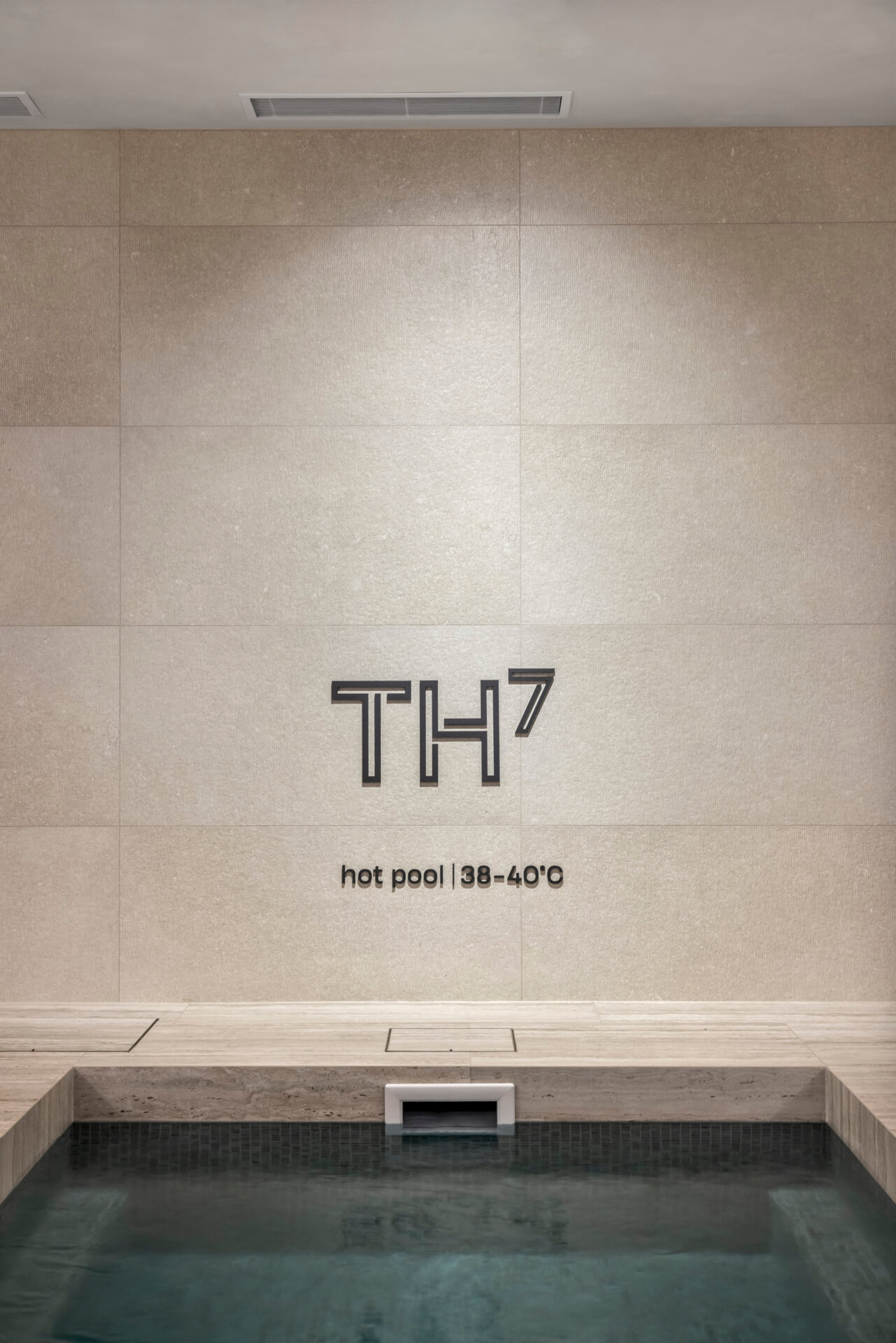
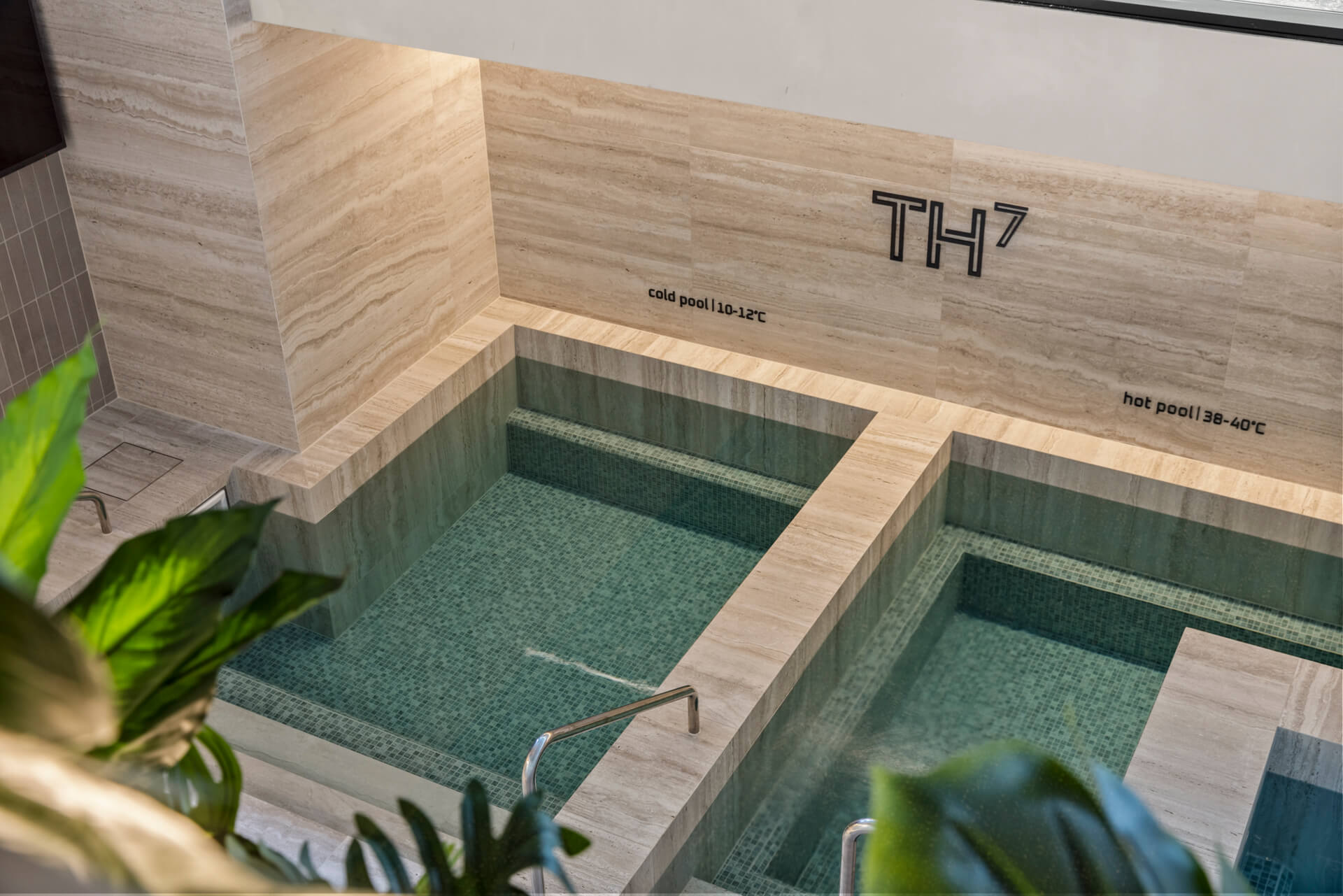
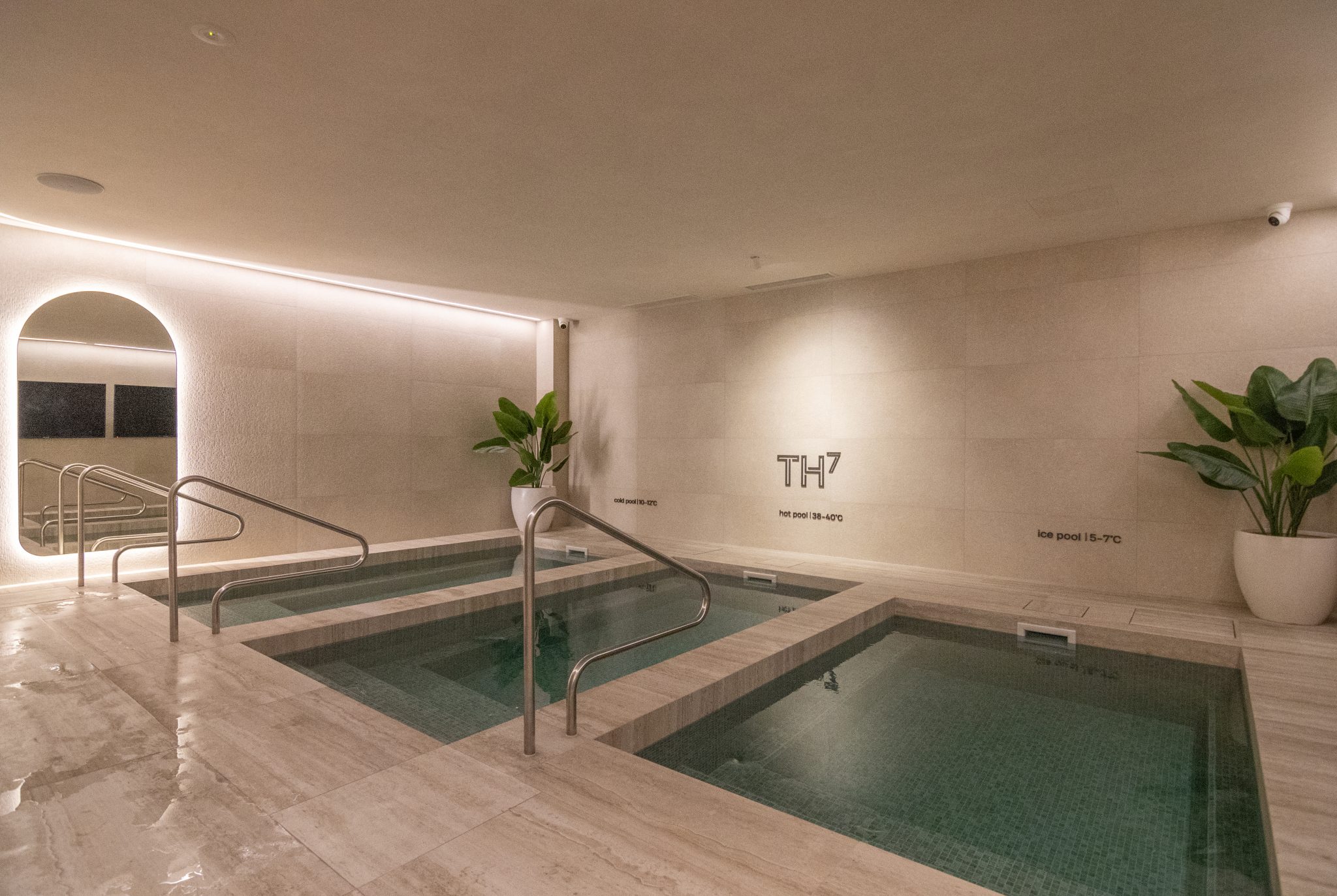
Enjoy a relaxing dip in a contrast therapy pool in one of TH7’s three wellness centres around Brisbane. These include our Mount Gravatt, West End, and Yeerongpilly locations.
We currently offer contrast therapy sessions in three centres around Brisbane, including:
Book a single session to enjoy after a workout or as part of one of our popular equipment protocols.
TH7’s intuitive online system makes booking an appointment easier than ever, within just a few seconds.
Click ‘Book Now‘, select your nearest location, date, time, and add-ons, and securely check out. We’ll then send you confirmation of your appointment so you can get ready for the ultimate relaxation!
Contrast therapy alternates between hot and cold treatments to boost your circulation, reduce inflammation from within, and speed up recovery.
Common examples of contrast therapy include switching between a sauna or steam room and an ice bath or cold plunge. The hot phase dilates blood vessels and relaxes muscles, while the cold phase constricts vessels and reduces swelling. This rapid shift helps flush out waste products and bring fresh oxygen and nutrients to your body’s tissues, supporting its recovery, reducing soreness, and improving overall resilience.
Contrast therapy works by rapidly alternating between blood vessel dilation and constriction through hot and cold treatments, boosting circulation and reducing inflammation.
This temperature shift acts like a pump for your circulatory and lymphatic systems, helping to flush out metabolic waste and deliver oxygen-rich blood to your muscles. It can also stimulate the nervous system, aiding recovery, improving energy, and enhancing resilience to stress.
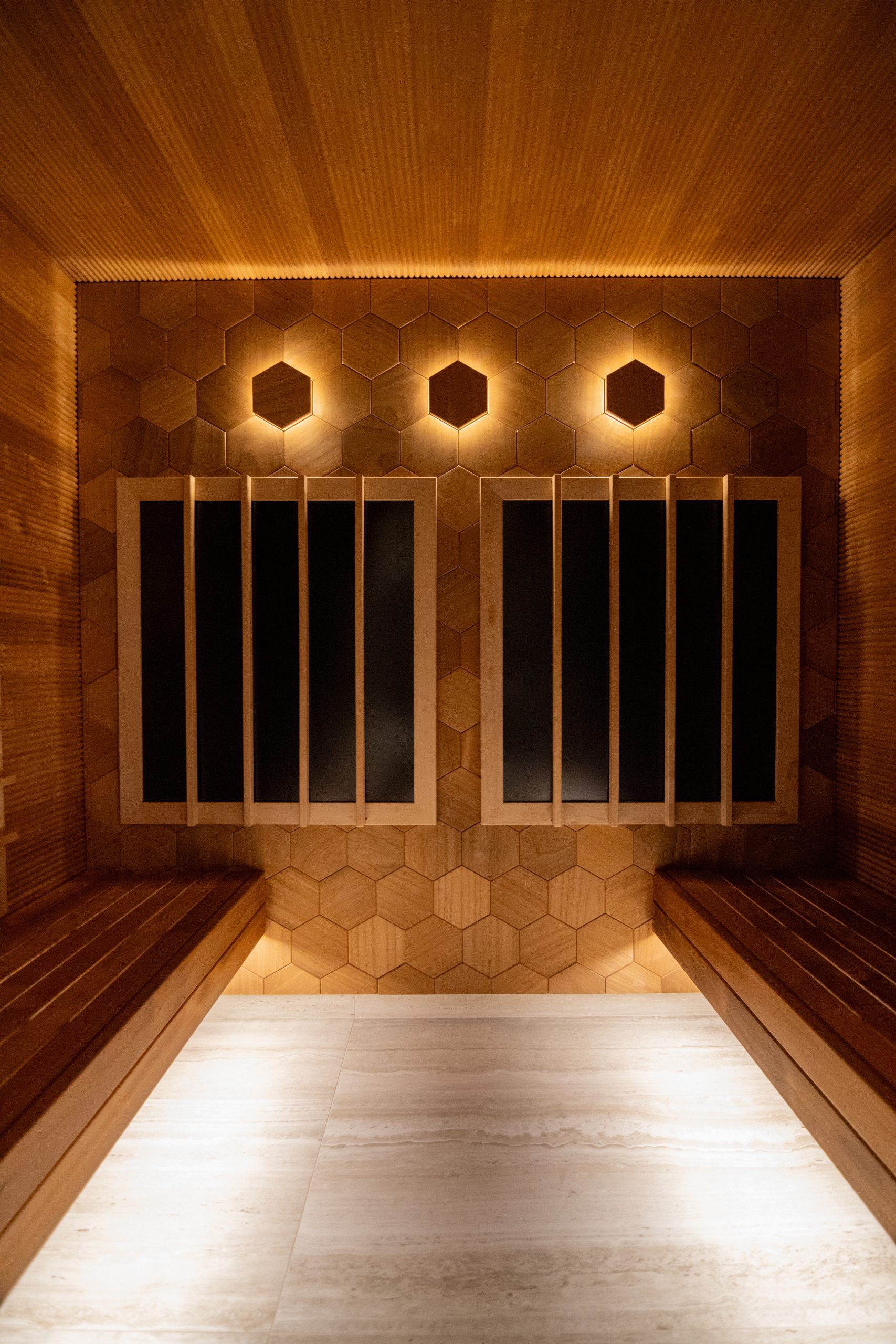
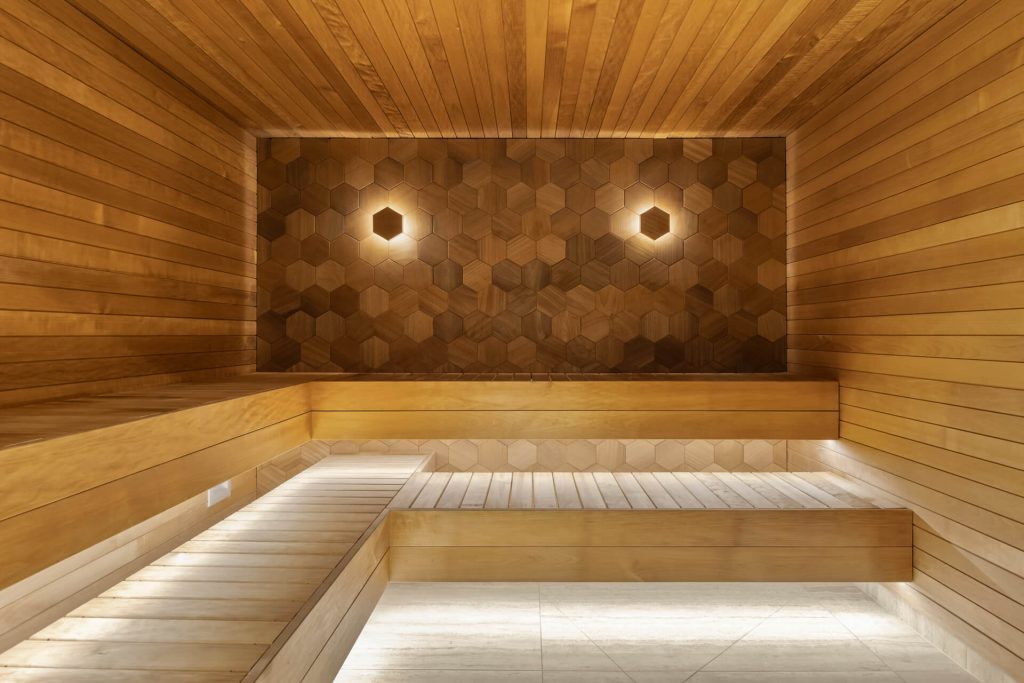
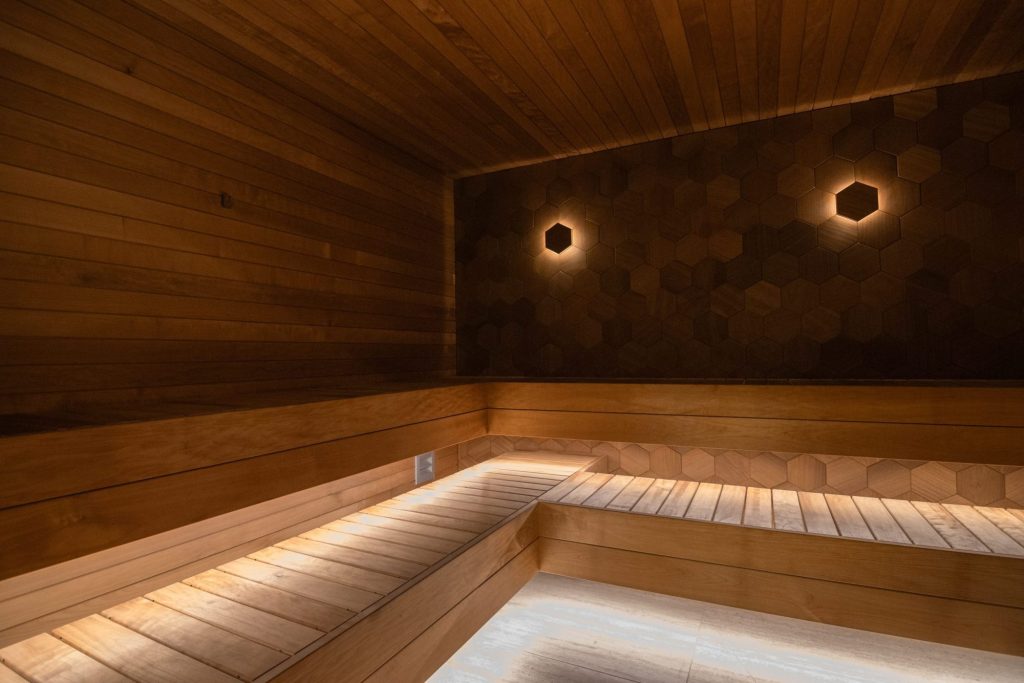
At TH7, you’ll combine a steam room or sauna session with an ice bath cold plunge to maximise these benefits.
While it’s different for everyone, two to four times per week is a common and effective frequency for those using contrast therapy for recovery benefits.
This frequency gives your body time to recover between sessions while maintaining the benefits. Athletes or active adults may benefit from more frequent sessions, but beginners should start with one to two sessions per week. Always listen to your body and adjust based on how you feel post-session.
Contrast therapy offers your body plenty of benefits, such as helping to reduce inflammation, speed up recovery, improve circulation, and boost mental resilience.
Some of the key benefits of contrast therapy include:
Exposing your body to alternating hot and cold therapies creates a pumping effect in the circulatory system, flushing out waste and bringing in fresh nutrients.
Yes, contrast therapy is generally safe for healthy adults when it’s done properly and under professional guidance.
It’s important to follow recommended session times and temperature guidelines. Start gradually, especially if you’re new to hot/cold exposure, and always stay hydrated. People with heart conditions, blood pressure issues, or who are pregnant should talk to their healthcare professional before booking a session, as their risk may be higher.
Contrast therapy might slightly increase how many calories you’re burning, but it’s not designed to offer significant weight loss results.
The rapid switch between hot and cold treatments can stimulate your metabolism and activate your brown fat, which burns energy to generate heat – especially during cold exposure. However, compared to exercise, the number of calories you’ll burn isn’t comparable. Contrast therapy supports recovery and resilience, so it can help positively affect how often you can exercise without having to wait so long for your muscles to recover.
Yes, contrast therapy can be effectively combined with other recovery techniques like compression, massage, red light therapy, and hyperbaric oxygen.
At TH7, we offer four equipment protocols that include contrast therapy along with other recovery techniques, including:
Each of these protocols helps your body recover in various ways, leaving you to choose the best option for your active level, needs, goals and current feeling.
Contrast therapy isn’t recommended during pregnancy due to the potential risks the extreme temperatures may have on you and the baby.
Hot and cold treatments can affect blood pressure, core body temperature, and circulation – three factors that are already sensitive during pregnancy. High heat (like saunas or steam rooms) and cold immersion may pose risks, especially in the first trimester. Always talk to your healthcare provider before considering any form of contrast or temperature-based therapy while pregnant.
We use the most up to date research to match protocols with health outcomes.


Please complete the form below and our team will get back to you within 24 hours
Please complete the form below and our team will get back to you within 24 hours
Please complete the form below and our team will get back to you within 24 hours
Please complete the form below and our team will get back to you within 24 hours
Enjoy a complimentary compression boots add-on on your next visit.