

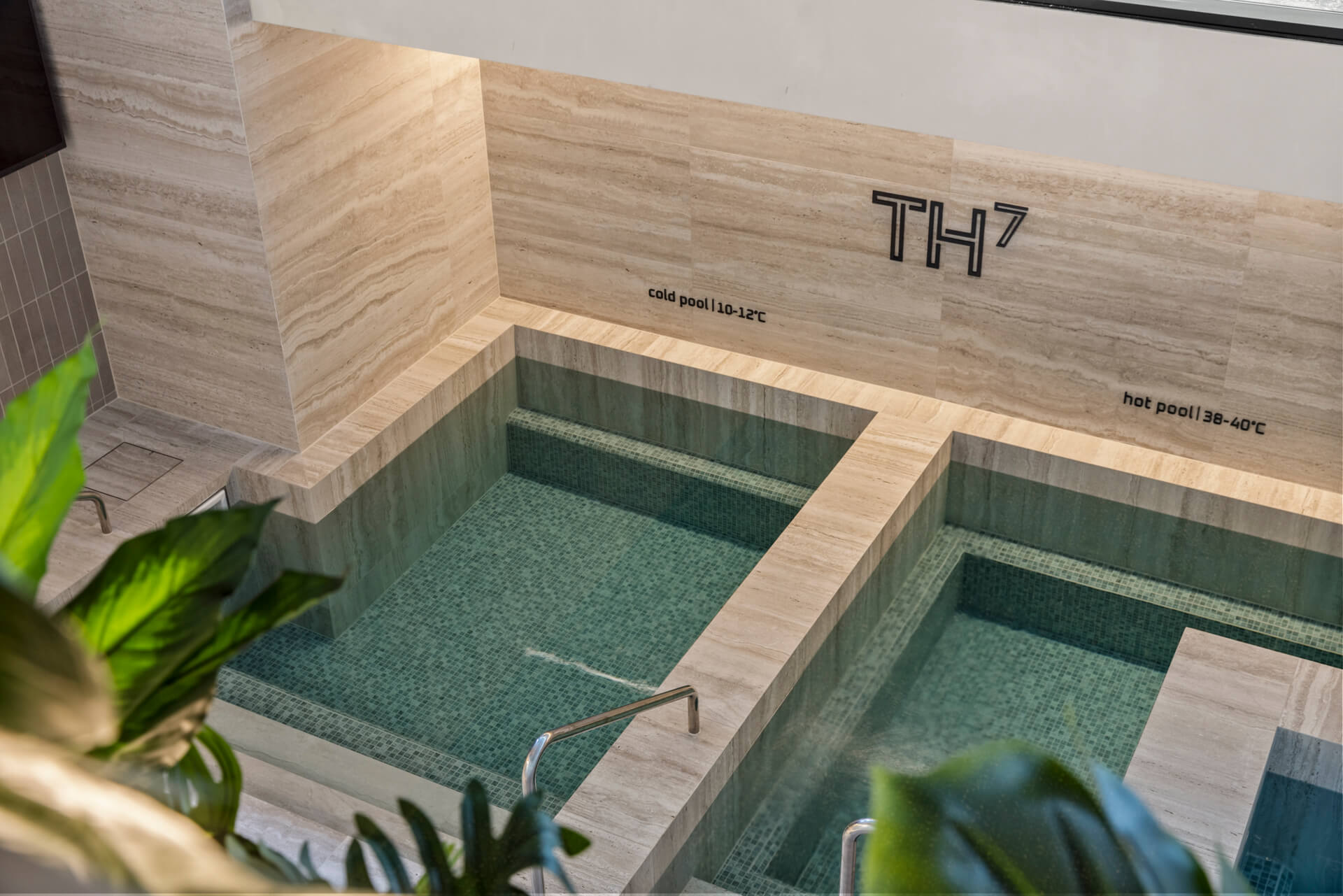
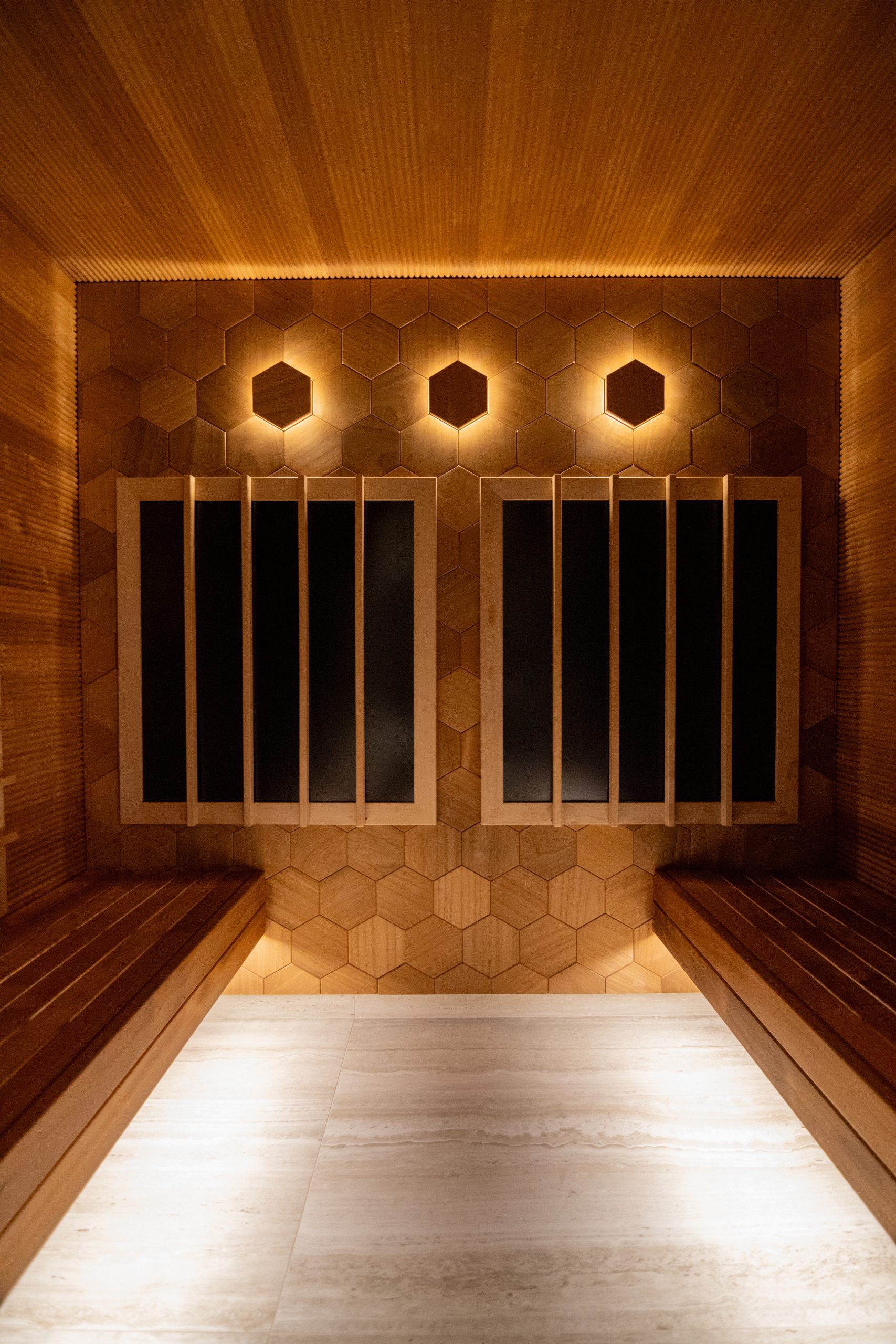
After a metabolism boost or need to de-stress?
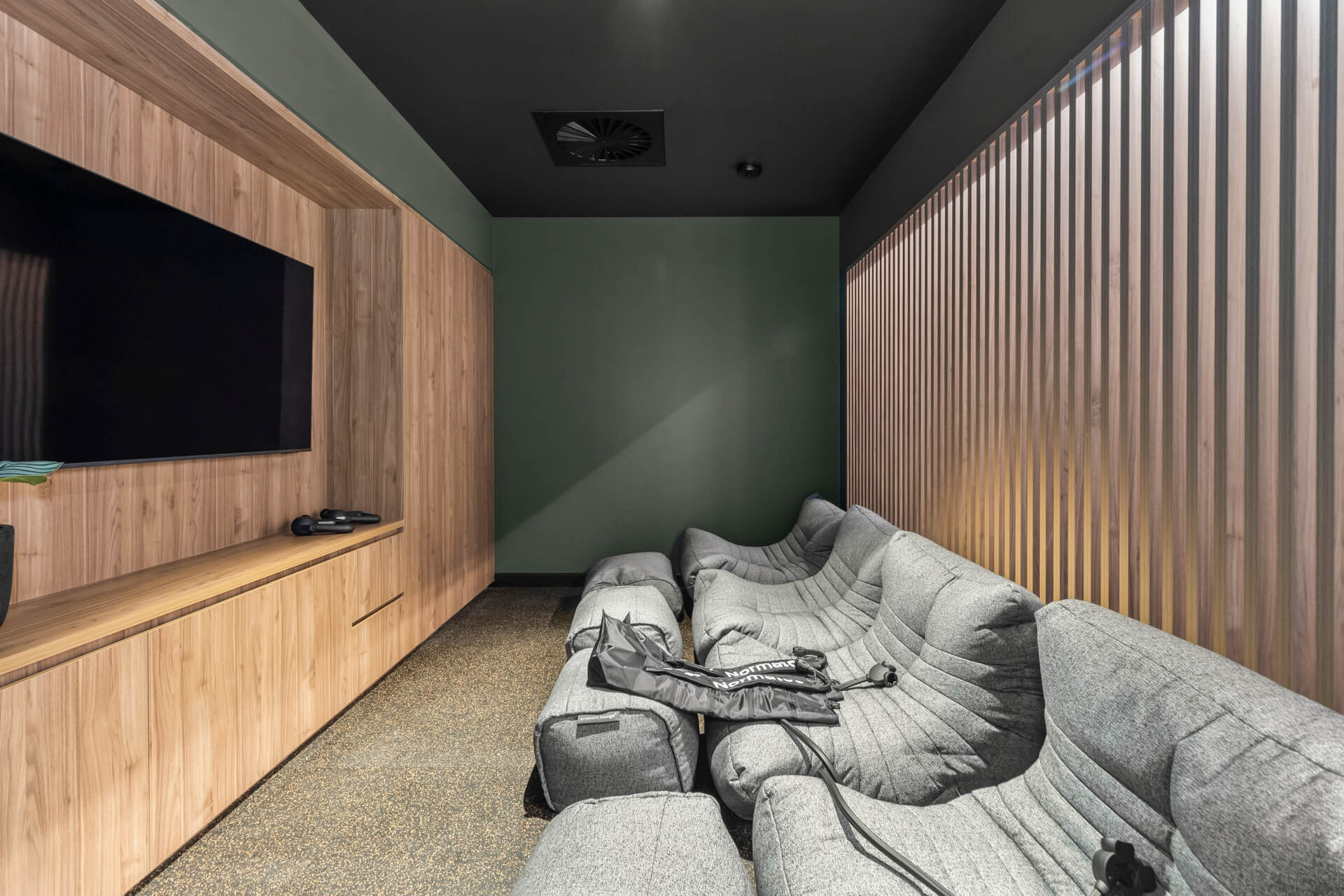





But what does this mean for anti aging benefits?
Research indicates that it is possible for regular sauna sessions to reduce morbidity and mortality, as well as protect against neurodegenerative and cardiovascular disease. Repeated sauna bathing can optimise the body’s stress response through hormesis and heat-shocking proteins, and it even offers a means to preserve muscle mass that we’d usually lose through age.
While it is not a surefire way to maintain a youthful glow, some regular users have reported the anti aging benefits of saunas.
How many saunas promote anti-aging?
There have been plenty of studies looking into the benefits of traditional sauna sessions, and the majority of them indicate that the most benefits are recorded with 2 to 3 weekly sauna baths. This is true for health conditions like cardiovascular disease, hypertension, immune function and respiratory infection, and more.
However, there’s also reason for many to increase their usage between 4 and 7 times a week, which has been linked to a reduced risk of developing Dementia and Alzheimers.
While this isn’t attainable for everyone, the general consensus is that health benefits come from regular, consistent use of at least 2 times a week.
What are some of the potential anti-aging benefits of sauna use?
Helps with sleep
Regular sauna use can help you get a full night’s sleep by reducing the stress hormone, cortisol, within just twenty minutes of exposure. Less stress = better rest, which can leave you feeling better rested night after night. A full eight hours of sleep at night has also been linked to anti aging, allowing better blood flow to help rebuild collagen to reduce wrinkles and age spots.
Can reduce inflammation
Inflammation can lead to painful conditions as you age, often showing itself in the form of swelling, redness, and heat. Sauna sessions are one of the most recommended treatments for inflammation, offering the skin a chance to relax without an inflammatory influence constantly pressuring it.
Moisturises skin
Infrared saunas are the best for moisturising the skin, working from the inside out to offer you lasting effects rather than temporary fixes. Saunas offer your skin a natural, chemical-free method of regaining and retaining its moisture, which is an integral part of reducing the signs of aging.
Reverses UV damage
While there are fewer studies completed on reversible UV damage and saunas, some cases have shown positive effects regarding regular sauna sessions. This has the potential to benefit people who have spent more time in the sun than the average person, or who have experienced burns or fading from prolonged UV exposure.
Detoxifies the body
Saunas make you sweat, which allows unhealthy toxins to be removed from your body. The longer you spend in a sauna, the deeper these toxins can be expelled, giving your liver a much-needed break. Regular sauna sessions have been shown to keep the body freer of toxins, which can promote fewer age-related issues like wrinkles and age spots. Detoxification can also help your skin remain brighter and healthier for longer.
Improves cell hardiness
Regular exposure to high heat sources can change the composition of your body’s cells, making them more resistant to heat and stronger as a result. This can lead them to look healthier and more vibrant, warning off the signs of aging in the process. Heat stress proteins can also optimise your stress responses.
Scientific evidence and findings on the impact saunas have on anti-aging
Anti aging benefits come in many shapes and sizes, and some of the most impressive sauna-related anti aging benefits don’t concern physical aesthetics. For example, Laukkanen et al., 2018a‘s study found that the short term exposure to high temperatures gained from sauna sessions leads to mild hypothermia, which influences a thermoregulatory response in three of the body’s major mechanisms. These work together to restore homeostasis in the body, as well as conditioning it for future stressors.
Keeping the body as healthy as possible is often the best way to experience anti aging benefits, so working from the inside out is an excellent way to ensure long-term results.
Studies have shown an increase in growth hormone and a decrease in cortisol with healthy participants increasing their sauna exposure. It’s well documented that as we age, we see a large decrease in growth hormone, so improving this might mitigate the signs of aging. Similarly, cortisol has been shown to be a key driving force behind the effects of aging, so the reduction of this could offer a more youthful appearance for longer.
Are there any potential risks or precautions to consider?
When introducing your body to such high temperatures, it is vital that you know the risks and make sure your body can handle the effects. It’s advised that people who have experienced chest pain, heart attacks, or severe aortic valve stenosis should avoid saunas.
People who are also susceptible to heatstroke, such as those older than 65 or younger than 7, should be careful exposing themselves to even a brief sauna session.
In terms of anti aging, it’s advised that you utilise multiple sessions a week for a younger appearance. However, this can be quite a shock to the system if you’re not used to the heat stress. So, we’d recommend starting off slowly before building to multiple sessions a week as your tolerance grows.
How often should you consider using a sauna as part of your anti-aging regime?
Some people like to use the sauna 2 to 3 times a week while others prefer 4 to 7 sessions weekly. The more frequently you use a sauna, the more health benefits you can often experience.
However, it’s important that you listen to your body and only partake in what feels right for you. We would recommend starting with one session a week before working up to 2 or 3. Once you’re confident with that frequency, you can decide if you want to increase your weekly sessions any further.
Our in-house experts’ tips for using a sauna to help with anti-aging
Tom Harvey, founding Director of TH7 shares his 5 tips when kickstarting your sauna journey:
- Start off slow: Begin with one 20 minute sauna session a week before slowly increasing the frequency to build your tolerance
- Choose the right sauna: Infrared saunas are often associated with lower temperatures but still the body-penetrating heat, which might be more appealing to you than steam saunas
- Don’t expect results overnight: Expectations should be managed to make sure you remember saunas often work from the inside out, which can make seeing results longer
- Keep hydrated: Replace lost fluids; replace with 1.5x weight lost ie if you lose 1kg, replace with 1.5L of water and electrolytes
- Be fuelled: Make sure you have eaten 2-3 hours prior
Final thoughts
There is research to suggest that regular sauna sessions can lead to anti aging. Saunas also offer plenty of health benefits, such as a reduced risk of cardiovascular disease and neurological diseases. Most believe 4 to 7 sauna sessions are best for anti aging, but even 2 to 3 are better than 1. Start slowly to build your tolerance and wait patiently for the results – and don’t forget to relax!
Share
Next Article

Can Hyperbaric Oxygen Therapy Help with Dementia?
Research into dementia and potential treatments is always ongoing, and one of the newest options heard about by health clinics is hyperbaric oxygen therapy (HBOT). HBOT is a treatment that involves being inside a chamber at an increased pressure higher than one atmosphere, and you'll be breathing 100% oxygen or normal air for a set amount of time. It's said that these conditions can increase the amount of oxygen that your blood plasma can carry, which helps it transport nutrients to various parts of your body to heal them naturally.